Aubrey Gravel Co
Aubrey, TX · Denton County
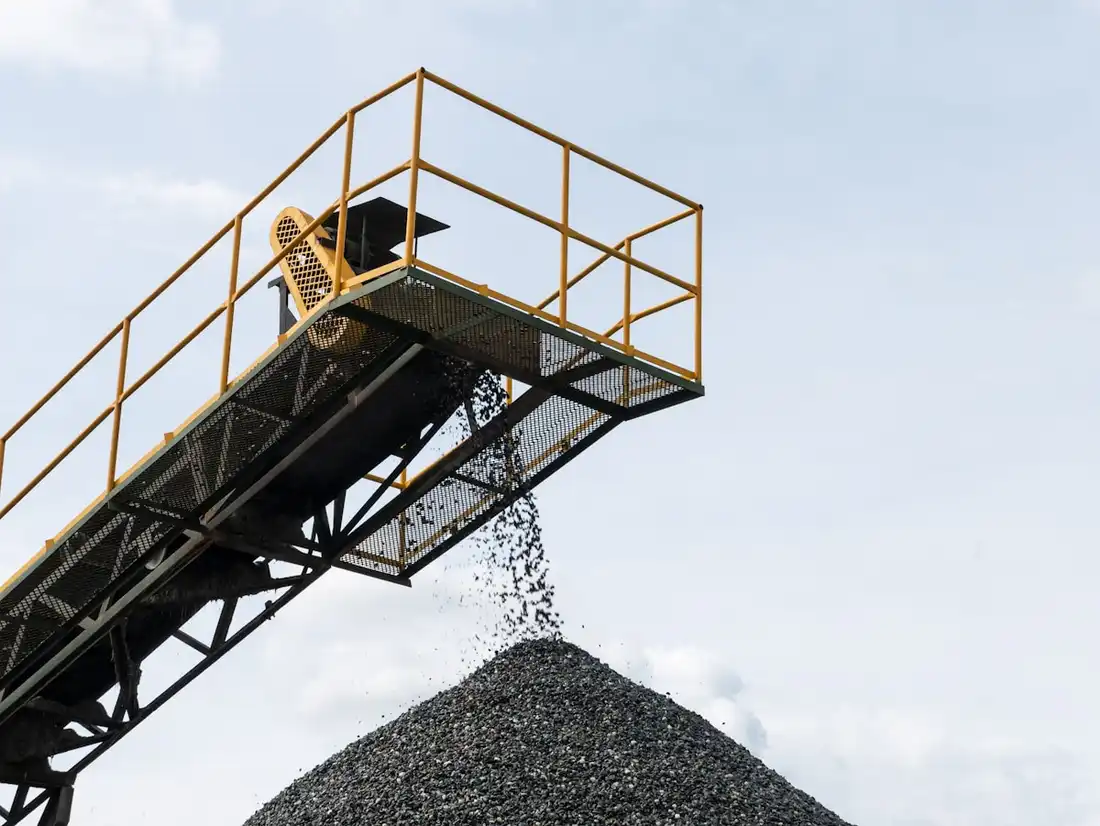
Grading equipment regrading a washed-out gravel driveway in Aubrey TX
Home/Gravel Driveway Repair Aubrey TX
Aubrey, TX • Denton County

Gravel Driveway Repair in Aubrey, TX

Regrading, top-dressing, and washout repair for existing gravel driveways across Aubrey and Denton County. Free on-site estimates.

Why Aubrey TX Gravel Driveways Need Regular Repair

Denton County's combination of Aubrey Series clay soil and 39 inches of annual rainfall creates consistent maintenance demands on gravel driveways. The clay swells when wet and shrinks when dry, gradually working against the compacted base layer beneath the gravel. Spring rains, the heaviest of the year in North Texas, strip top material from uncrowned surfaces and deposit it at the driveway's lowest points.

Most Aubrey driveways that wash out every year were either never installed with adequate base depth, or had a good installation that's been deferred on maintenance long enough that the crown has flattened. A flat surface channels water down the centerline rather than shedding it off the sides, and water moving along the centerline takes gravel with it.

The standard repair sequence is regrade first, top-dress second. Pulling material back to the center and re-establishing the crown fixes the cause. Adding fresh crushed limestone on top of the restored profile replaces what was lost. Together, those two steps reset a neglected driveway to a condition that holds up for another two to three years before the next maintenance cycle.

Repair Services We Provide

Washout Repair

Rebuild eroded sections and restore crown and base depth after heavy spring rains.

Regrading

Re-establish proper crown and drainage slope using a box blade or motor grader.

Top-Dressing

Add fresh crushed limestone or crusher run to restore surface depth and density.

Pothole & Low Spot Fill

Spot-fill depressed areas with compacted base and finish material.

Culvert Repair & Replacement

Replace blocked or undermined culverts at road aprons. Upsizing available.

Edge Rebuild

Restore scattered material from the edges back onto the driveway surface.

Repair vs. Full Rebuild: How We Decide

Most driveways that look bad can be repaired for a fraction of a full rebuild. Repair makes sense when the base layer is still largely intact and the surface problems are crown loss, edge spread, or material depletion. If you push down on the surface and feel significant give, or if ruts come back immediately after filling, the base layer may have failed, in that case, pulling the top material, adding base, and recompacting is the right call.

One site visit usually tells us which situation you're in. We'd rather confirm a repair is enough than sell a rebuild that isn't needed.

Get a Free Driveway Estimate

No obligation. We'll be in touch within one business day.

Signs You Need Repair
  • Ruts that return after rain
  • Water pooling on the surface
  • Gravel spreading off the edges
  • Visible base material at the surface
  • Potholes or recurring low spots
  • Washed-out road apron
  • Blocked or undermined culvert

Fix Your Driveway Before the Next Rain Season

Free on-site estimate. We assess the damage and quote the repair, not a rebuild you don't need.

Get a Free Estimate

Gravel Driveway Repair in Aubrey TX: Common Questions

Why does my Aubrey gravel driveway wash out every spring?
Spring washout on Aubrey driveways almost always traces back to one of two problems: insufficient base depth or a flat cross-section. Denton County gets about 39 inches of rain per year, with the heaviest falls concentrated in spring. When the base layer is shallow, it can't distribute load once the Aubrey Series clay becomes saturated. When the driveway is graded flat or with a slight concave crown, water channels along the surface and carries gravel with it rather than shedding off the sides. Fixing it means regrading the crown and, in severe cases, pulling the top material and adding more compacted base.
How often does a gravel driveway in Denton County need regrading?
Most residential driveways in Aubrey benefit from regrading every two to three years, with annual top-dressing in between. The clay soil expands and contracts with moisture changes, which gradually disturbs the base and flattens the crown over time. Driveways with heavy vehicle traffic, trucks, equipment, RVs, lose crown faster and may need regrading every year. Annual maintenance is far less expensive than a full rebuild after years of neglect.
What is the difference between regrading and top-dressing?
Regrading is active shaping work: using a box blade or motor grader to re-establish the crown, pull material from the edges back to the center, and restore proper drainage slope. Top-dressing is adding a fresh layer of material, typically crushed limestone or crusher run, over an already correctly graded surface to replace material that has compacted in or washed away. Most driveways need both in the same visit: regrade to restore shape, then top-dress to bring depth back up.
Can you fix a gravel driveway where the culvert is washed out?
Yes. Culvert failure at the road apron is one of the more common repair calls in Aubrey. When the culvert gets blocked or undermined, ditch water backs up and overtops the apron, eroding the driveway entrance. We replace or extend the culvert, backfill and compact the approach, and regrade the apron. If the existing culvert is undersized for the drainage load, we can upsize it at the same time.
My driveway has potholes and low spots, what is the fix?
Low spots and potholes on an otherwise intact driveway are usually spot repairs. We fill the low area with crusher run, compact in lifts to match the surrounding surface height, and add a finish layer of crushed limestone. The result holds as long as the surrounding base is stable. If potholes are widespread or recurring in the same areas, it's a sign the base layer throughout the driveway is failing, that calls for a full regrade rather than spot fills.
How much does gravel driveway repair cost in Aubrey TX?
Spot repairs and top-dressing on a standard 200-foot driveway typically run $500 to $1,800 depending on the amount of material needed. Full regrading with top-dressing runs $1,200 to $3,500 for residential driveways. Culvert replacement adds $400 to $900 depending on pipe size and approach length. We give flat per-job quotes after a site visit, so you know the full cost before we schedule.